July 6, 2026
Mold damage is a common issue in many households, often unnoticed until it becomes a severe problem. Keep reading to explore the signs that indicate mold presence and preventive steps to protect your home and health. Understanding these signs will help you address mold issues before they escalate. Mold can thrive in damp environments, making bathrooms, basements, and kitchens particularly susceptible. By recognizing these three early indicators of mold, homeowners can mitigate its effects on both living spaces and health.
1. Visible Mold Growth
1.1. Appearance and Color
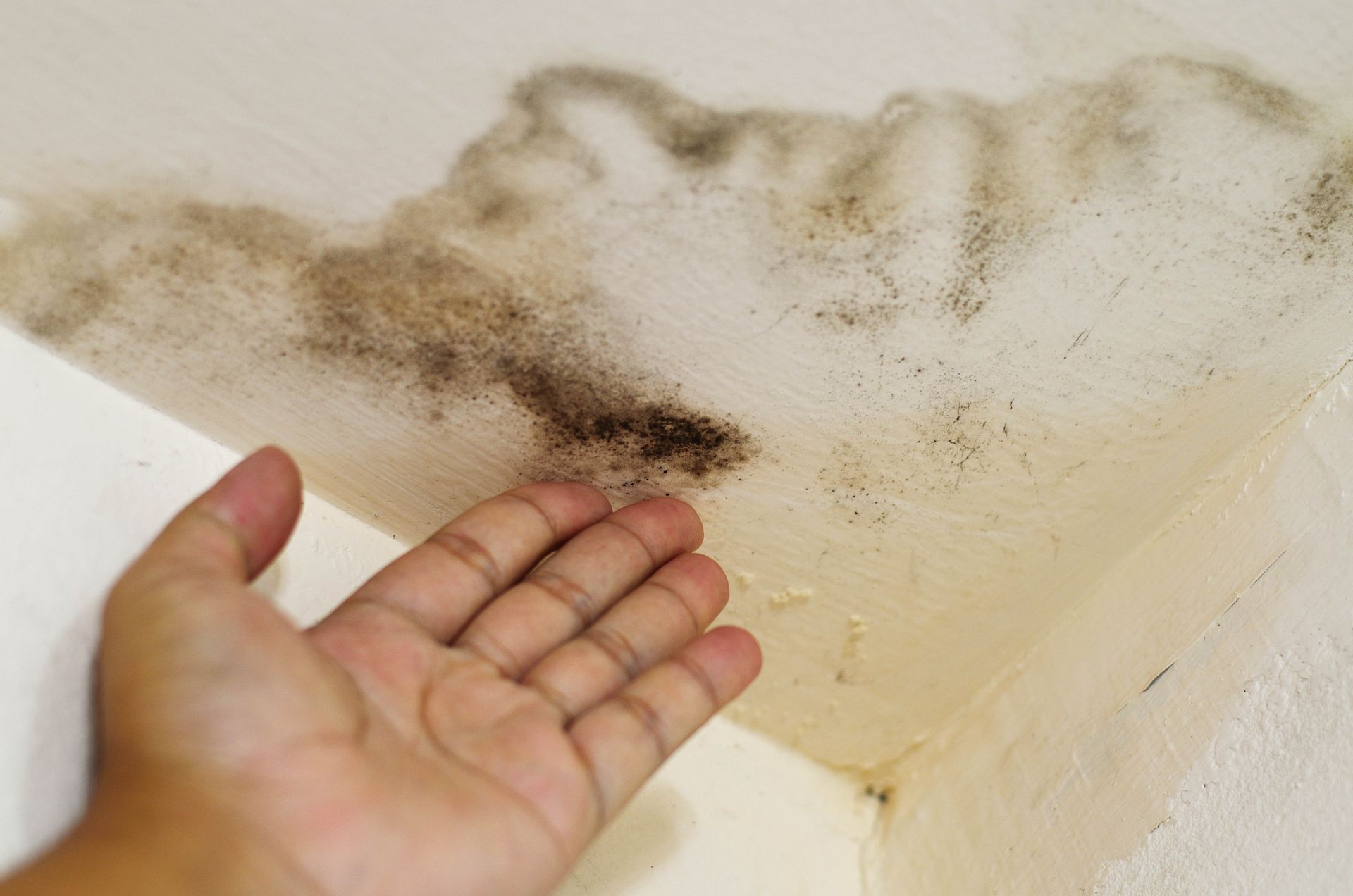
Visible mold can appear in various colors, such as black, green, white, or even orange, depending on the type and location. These color variations can help in identifying the seriousness and the type of mold present in the home. Seeing mold on walls, ceilings, or other places where moisture collects is the most apparent sign. It's essential to distinguish between harmless mildew and dangerous molds like Stachybotrys, commonly known as black mold. Proper identification can guide treatment efforts and the need for professional help, such as consulting a qualified basement waterproofing company if the source of the moisture stems from a damp lower level.
1.2. Common Locations
Common mold growth areas include damp, dark, and poorly ventilated spaces such as basements, bathrooms, and attics. Bathrooms provide an ideal mold breeding ground due to frequent exposure to water and steam. Poor ventilation exacerbates this, allowing mold to flourish behind tiles and under sinks. Kitchens, with leaks under sinks or around ice makers, are also frequent mold sites. Regular inspections can help identify and prevent these issues before they escalate, often prompting homeowners to call a certified basement waterproofing company to handle subterranean moisture penetration.
1.3. Identifying Different Types
There are several types of molds found in homes, including Aspergillus, Penicillium, and Cladosporium, each with unique characteristics. Black mold is often feared due to its potential for producing toxic compounds known as mycotoxins. However, not all black molds are dangerous, and identification should be done carefully, often requiring a professional. Testing kits are available, but laboratory analysis may be necessary for accurate diagnosis. Understanding which type of mold is present can inform the proper cleaning, prevention, and remediation strategies.
1.4. Signs of Extensive Coverage
Extensive mold coverage can be identified by large patches, usually accompanied by discoloration and musty odors. If mold covers an area larger than 10 square feet, professional remediation is advised. Such widespread mold often indicates deeper structural issues, like significant water leaks or prolonged humidity. Ignoring this can result in damage to the home's structural integrity and potential health risks. Swift action is crucial to halt further spread and minimize the need for costly repairs.
1.5. Initial Steps to Address Growth
Upon identification of mold, it's imperative to control moisture, which is the root cause of mold growth. Leaks should be repaired immediately, and areas dried thoroughly to prevent recurrence. For small mold patches, a solution of bleach and water can be used to clean the affected area, but care must be taken to avoid exposure. Ventilate the area and use protective gear like gloves and masks. For larger infestations, consulting professionals is recommended to ensure comprehensive removal and future prevention; additionally, partnering with an expert basement waterproofing company can seal structural vulnerabilities forever.
2. Musty Odors
2.1. Distinctive Smell Characteristics
A musty, earthy smell often points toward the presence of mold, even when it's not visible. This odor resembles the scent of wet socks or damp wood and can permeate spaces over time. Smells often increase in enclosed areas like closets or cupboards where moisture is trapped. While some may dismiss these odors as trivial, they are early warning signs of potential mold issues. Identifying and addressing the source of these odors is necessary to curb mold growth, a task frequently executed by an experienced basement waterproofing company.
2.2. Areas Prone to Odors
Mold-related odors are commonly found in areas such as basements, laundry rooms, and under sinks. These are places where moisture accumulates, and ventilation is limited or insufficient. These musty smells indicate that mold colonies could be forming or already established. Condensation in improperly ventilated bathrooms also contributes to odor problems. Regularly airing out these spaces can prevent mold growth by reducing ambient humidity, though long-term fixes usually require the diagnostic tools of a professional basement waterproofing company.
2.3. Detecting Hidden Mold Behind Walls
Musty odors are sometimes indicative of mold growing behind walls or under floors, where visual detection is challenging. Hidden mold can result from leaking pipes, condensation, or groundwater infiltration that isn't immediately apparent. When other signs, such as increased odors and health symptoms, arise, suspect concealed mold. Mold sensors or professional inspection might be necessary to accurately diagnose mold that's not easily visible. Enlisting an expert basement waterproofing company for early intervention can prevent more extensive damage and reduce removal costs.
2.4. Reasons Why Smells Persist
Persistent mold odors can linger even in cleaned areas due to missed sources of contamination or incomplete drying of cleaned surfaces. Additionally, mold spores can penetrate porous materials such as wood or drywall, making eradication challenging. Hidden mold can continue to produce spores that perpetuate odors if moisture conditions remain favorable. Continuous dampness or inadequate cleaning methods can exacerbate this persistence. Targeted treatment and thorough moisture control are critical for complete odor elimination.
3. Health Symptoms
3.1. Respiratory Issues
According to the CDC, the Institute of Medicine found evidence that indoor exposure to mold growth is linked to upper respiratory tract symptoms like coughing and wheezing. Mold spores, when inhaled, can trigger or exacerbate respiratory issues in individuals, particularly those with asthma or allergies. Molds release irritating substances that, when inhaled, affect the respiratory system, causing manifestations like shortness of breath and bronchial irritation. Persistent exposure can lead to more serious conditions, such as chronic lung diseases. Early detection and remediation are vital for reducing health-related impacts, especially in vulnerable populations.
3.2. Allergic Reactions
Mold exposure can induce allergic reactions, including sneezing, itching, a runny nose, and rashes. These allergic responses are common in sensitive individuals and can vary based on the type and extent of exposure. For some, prolonged exposure might sensitize them to lower levels of mold spores, leading to continued allergic reactions. Young children and those with compromised immune systems are particularly susceptible. Identifying and reducing exposure to mold allergens can alleviate these symptoms significantly.
3.3. Symptoms in Different Age Groups
Both children and the elderly are more vulnerable to the effects of mold exposure, often exhibiting symptoms more severely than others. In children, mold exposure can cause asthma flare-ups and chronic respiratory issues. For older adults, weakened immune systems may result in heightened susceptibility to mold-induced health problems. Adults, though less prone, still face health risks, particularly if mold exposure is prolonged. Understanding these age-specific vulnerabilities aids in implementing targeted protective measures.
3.4. Chronic Mold Exposure Effects
Chronic exposure to mold can lead to long-term health consequences, including respiratory infections and persistent nasal congestion. Over time, repeated mold exposure can weaken the immune system, making one prone to illnesses. Other effects might include chronic fatigue, depression, and cognitive impairments due to continuous mold spore inhalation. Left unchecked, mold can contribute to more severe health conditions, heightening risks to overall well-being. Professional medical advice is crucial for those experiencing relentless symptoms linked to mold exposure.
3.5. Consulting Healthcare Professionals
If mold exposure results in persistent health symptoms, consulting healthcare professionals is recommended for appropriate intervention. Physicians can assess symptom severity and recommend diagnostic tests to determine if mold is the underlying cause. Treatments may include allergy medications, inhalers, or advice on mitigating exposure sources. Professional advice is crucial because symptoms can mimic other conditions, necessitating proper diagnosis. Ensuring a mold-free environment is essential for long-term health, underscoring the importance of medical consultations.
Mold can silently damage your home and health if left unchecked. Being aware of these signs can help you identify potential problems early. Prompt action, combined with regular inspections, can prevent minor issues from developing into significant hazards. Engage with professionals if you suspect extensive mold damage for effective remediation. Consult Flood Pros Water Damage Restoration today to safeguard your living environment through education and diligently promote long-term well-being and peace of mind.