May 4, 2026
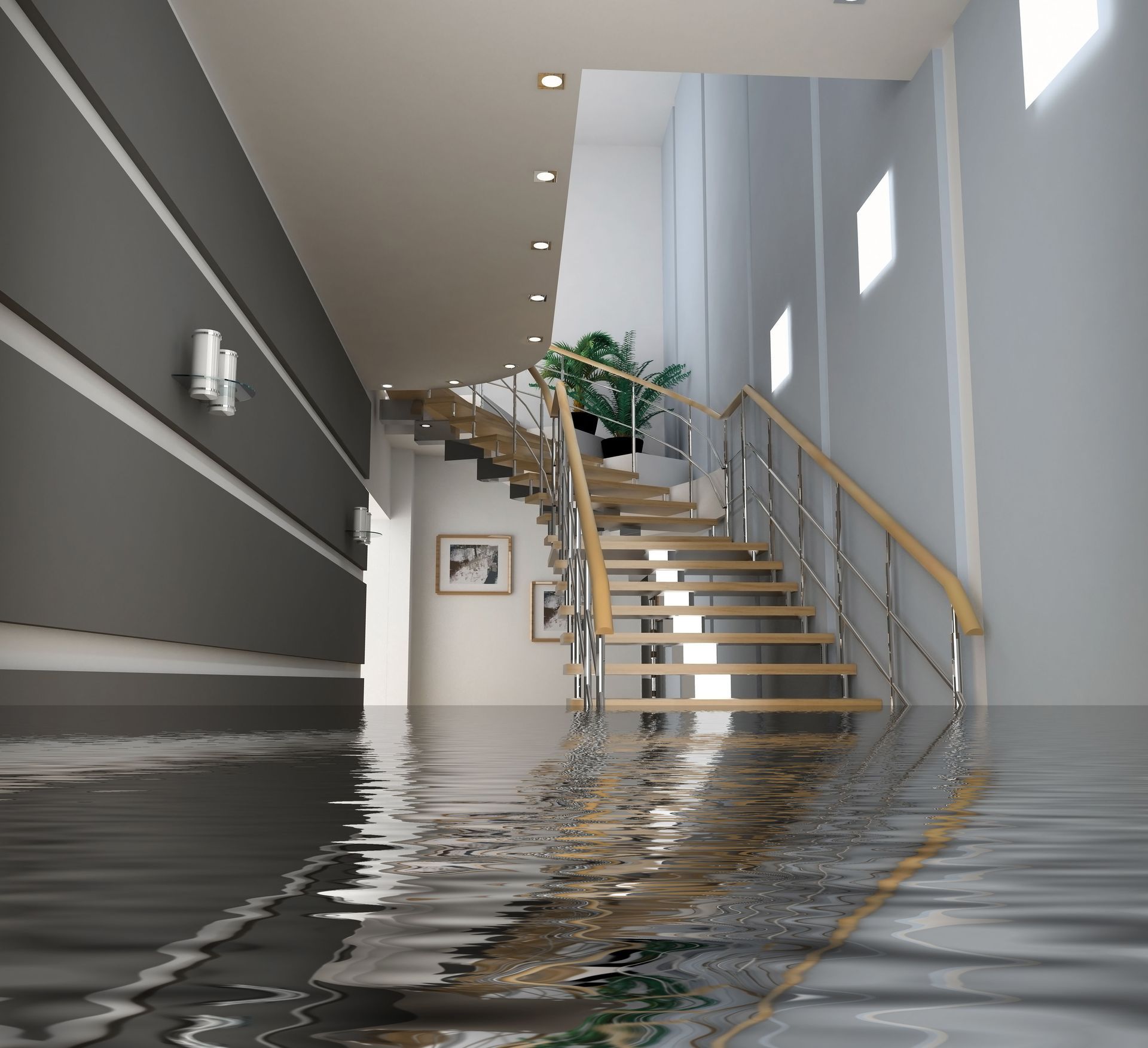
The sanctity of a home relies heavily on its ability to remain dry and weather-tight, yet moisture is a persistent adversary that can compromise the integrity of even the most robust structures. When water breaches the protective envelope of a building, the consequences often extend far beyond simple dampness; they initiate a cascading series of physical and biological degradations that can threaten the safety of occupants and the longevity of the property. Understanding the complex mechanisms by which water damage triggers mold proliferation and structural decay is essential for every homeowner. By recognizing the early warning signs and the underlying science of moisture-related failure, individuals can implement timely interventions that prevent minor leaks from evolving into systemic disasters that require comprehensive, costly restoration.
Understanding The Accelerated Growth Of Mold
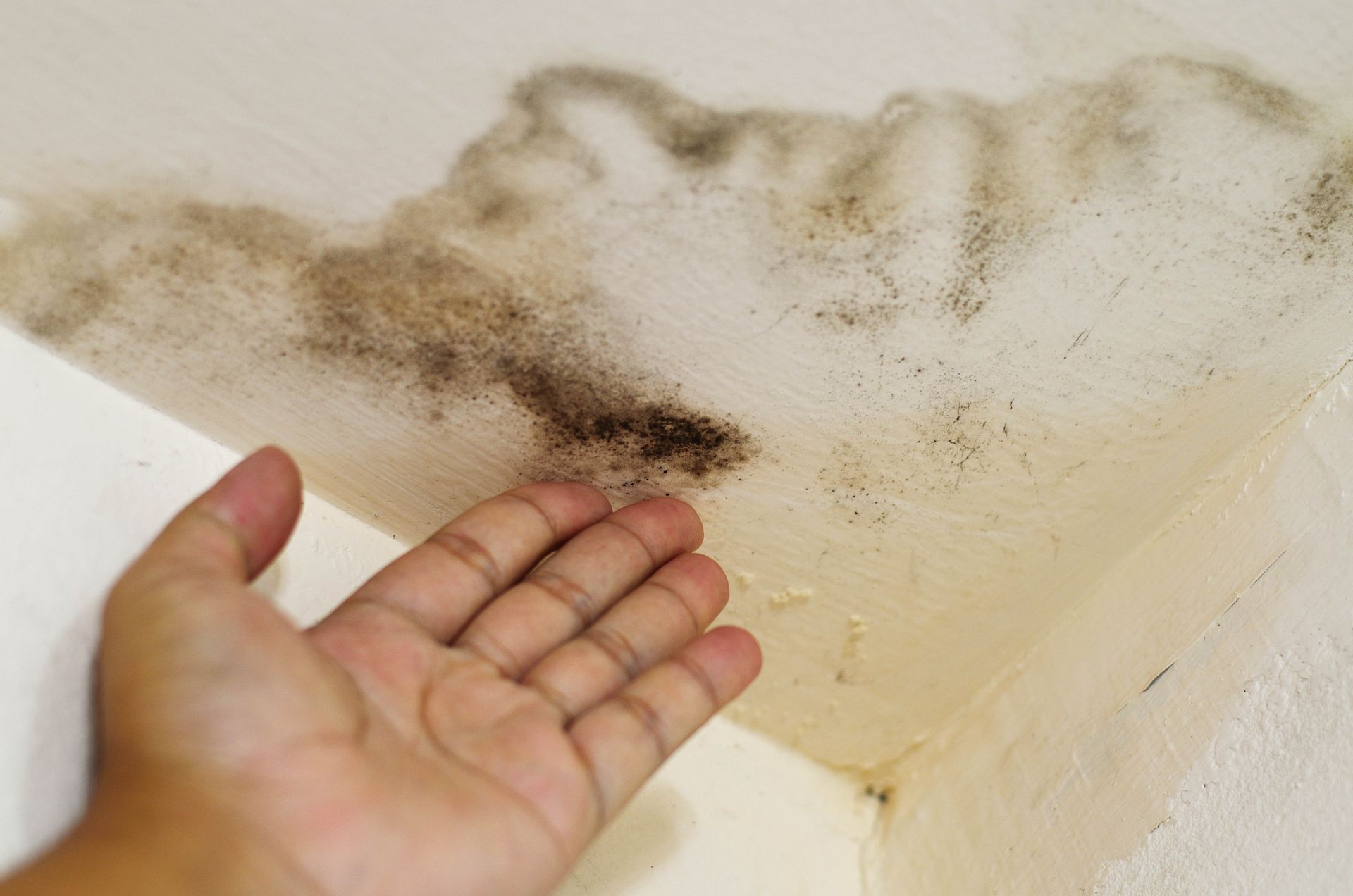
A biological organism that thrives in environments where moisture is present, mold feeds on common household materials such as drywall, wood, and insulation. When an interior space is subjected to uncontrolled hydration, spores that are naturally present in the atmosphere find a fertile environment to colonize. Within as little as 24 to 48 hours, these spores can begin to germinate, creating visible colonies that not only compromise the material they inhabit but also release additional spores and volatile organic compounds into the indoor air. This rapid biological escalation is why addressing the initial signs of water damage is a race against time, as the speed of fungal development often outpaces the homeowner's ability to react.
The challenge is compounded by the fact that mold often develops in concealed areas, such as behind wallpaper, underneath flooring, or within wall cavities, where moisture may linger undetected. Because these areas are protected from airflow and sunlight, they maintain the precise humidity levels required for sustained fungal growth. As the colony expands, it begins to break down the organic components of the structure, effectively decomposing the building materials from the inside out. This invisible proliferation underscores the critical importance of professional detection, as simply drying the visible surfaces is rarely enough to halt the biological process occurring within the hidden recesses of the home.
Observing The Structural Weakening Of Wooden Elements
Wood is the skeletal framework of most residential construction, providing the necessary tensile and compressive strength to support the weight of the roof, floors, and walls. However, wood is highly porous and susceptible to the effects of prolonged saturation, which causes the fibers to swell, warp, and eventually rot. As moisture content within the timber remains consistently above a specific threshold, it triggers the growth of wood-decay fungi, which literally consume the structural integrity of the beams and studs. This process weakens the primary support system of the house, potentially leading to sagging floors, misaligned doors, and, in severe cases, the failure of load-bearing components.
The danger is particularly acute in joists and sub-flooring, which are often the first elements to interact with spilled water or leaky plumbing. Once these foundational supports are compromised, the structural impact is rarely limited to the immediate point of contact; the instability tends to spread throughout the connected assemblies. By allowing moisture to persist, homeowners inadvertently facilitate a process that turns sturdy building materials into brittle, compromised hazards. Protecting these wooden members from the persistent threat of water damage is, therefore, a foundational aspect of maintaining the longevity and overall safety of the residential environment.
Analyzing The Destructive Path Of Metal Corrosion
Beyond the biological and organic threats, moisture serves as a catalyst for chemical reactions that attack the metallic components of a building’s infrastructure. Metal fasteners, such as nails, screws, and brackets, are vital for keeping the various parts of the structure joined together. When exposed to liquid or high-humidity environments, these fasteners begin to oxidize, a process that leads to rust and the subsequent loss of structural strength. As the metal corrodes, it expands, causing further stress on the wood and concrete around it, effectively loosening any of the connections that are essential for the structural cohesion of the assembly.
This phenomenon is not limited to fasteners; it also impacts pipes, electrical conduit, and support plates that may be embedded in concrete foundations. Corroded pipes, for instance, are more prone to leaks, which further propagate the cycle of dampness within the home. The irony is that the failure of these critical metal components often remains invisible until a major mechanical breakdown occurs. Recognizing that metal corrosion is a predictable result of poorly managed moisture is essential for anyone aiming to protect their home, as it highlights that persistent water damage is an industrial-grade threat to even the most modern materials.
Evaluating The Compounding Effect Of Foundation Saturation
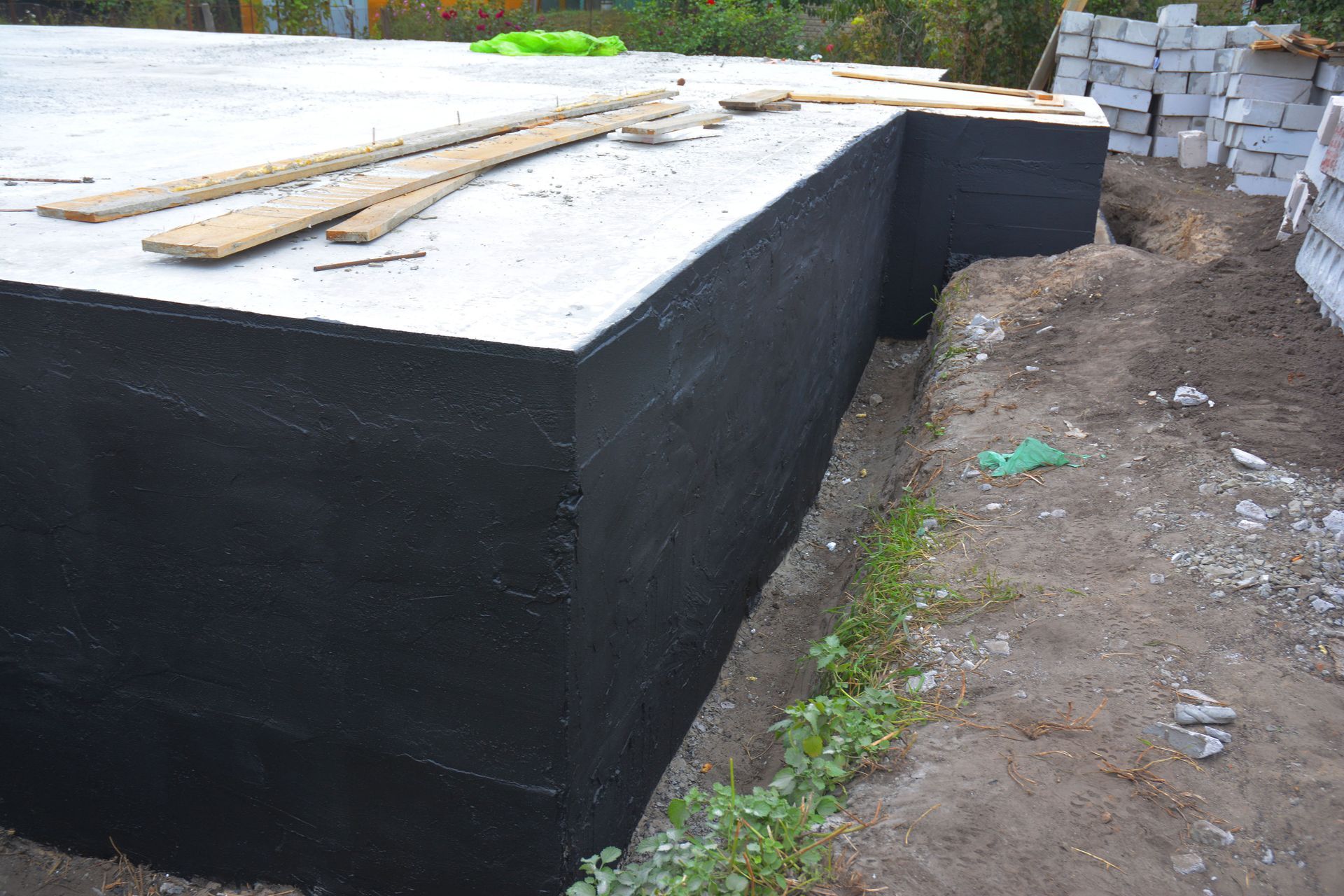
The foundation is designed to keep a building stable, but it is also a porous entity that can absorb moisture from the surrounding soil if drainage systems fail. When the ground becomes saturated due to poor landscaping, clogged gutters, or improper slope, that moisture exerts hydrostatic pressure against the foundation walls. Over time, this pressure can result in cracks that provide a direct pathway for liquid water to enter the basement or crawlspace. This influx creates a persistent humidity source that initiates a cycle of mold growth and material decay across the entire lower level of the residence.
According to Ruby Home, 14,000 people experience water damage each day. Given the high frequency of such incidents, it is clear that many foundations are subjected to repeated stress, which cumulatively degrades the concrete. Once cracks are formed, they often worsen with each freeze-thaw cycle, as trapped water turns to ice and expands the existing fissures. This structural degradation is extremely difficult and expensive to reverse, emphasizing that the management of exterior water runoff is just as important as maintaining the interior plumbing in preventing severe water damage that could eventually threaten the entire home’s stability.
Investigating The Impact On Electrical Infrastructure
Electricity and water are notoriously dangerous when combined, and in the context of residential construction, moisture infiltration into electrical systems is a leading cause of both property loss and safety hazards. Electrical boxes, switches, and wiring pathways that become damp are prone to short circuits, which can lead to equipment failure or, in the worst-case scenario, electrical fires. The corrosion of contacts within these systems, combined with the presence of conductive moisture, compromises the reliability of the entire power distribution network within the home.
Furthermore, when moisture reaches the insulation of wiring, it can lead to degraded casing, leaving wires exposed and vulnerable. A system that has been affected by moisture might not fail immediately, but it may develop dangerous ground faults that pose a threat to anyone touching an outlet or switch. Professional inspection is mandatory whenever a home has experienced significant saturation, as the damage to the electrical system is rarely visible to the untrained eye. Ensuring the dry integrity of all utility pathways is a critical component of preventing the secondary risks that are frequently associated with unchecked water damage.
The correlation between moisture exposure and the degradation of a home is both logical and scientifically supported, demonstrating that the presence of liquid or high humidity acts as a catalyst for biological growth, chemical oxidation, and structural weakening. Whether it is the rapid colonization of mold on organic surfaces or the slow, steady corrosion of metal fasteners and structural beams, the effects of persistent moisture are destructive and cumulative. Homeowners who prioritize the maintenance of their building’s envelope, drainage, and plumbing are actively building a defense against the very forces that would otherwise dismantle their property piece by piece, and by understanding these threats, one can transition from a reactive state of repair to a proactive state of preservation, ensuring that a home remains a resilient, safe, and valuable space for many years to come. If you have experienced water damage in Northern, IL, and Southern, WI, the professionals at Flood Pros Water Damage Restoration can help! Call today to request an estimate and learn more about our services.