October 5, 2026
Mold can become a serious household problem when moisture is allowed to linger. What begins as a small patch in a basement, bathroom, attic, or wall cavity can spread if the underlying moisture problem is not addressed. Because mold growth is not always immediately visible, homeowners should know the warning signs that may indicate a larger issue.
Acting quickly can help limit the amount of damage and reduce the amount of contaminated material that ultimately needs to be addressed. A professional mold removal service can also help identify where mold is growing, determine the likely source of the moisture, and develop an appropriate plan for addressing the problem. Understanding the signs of mold growth and knowing when professional assistance is appropriate can help you protect both your home and the people who live in it.
What Are the Common Signs of Mold Growth in Your Home?
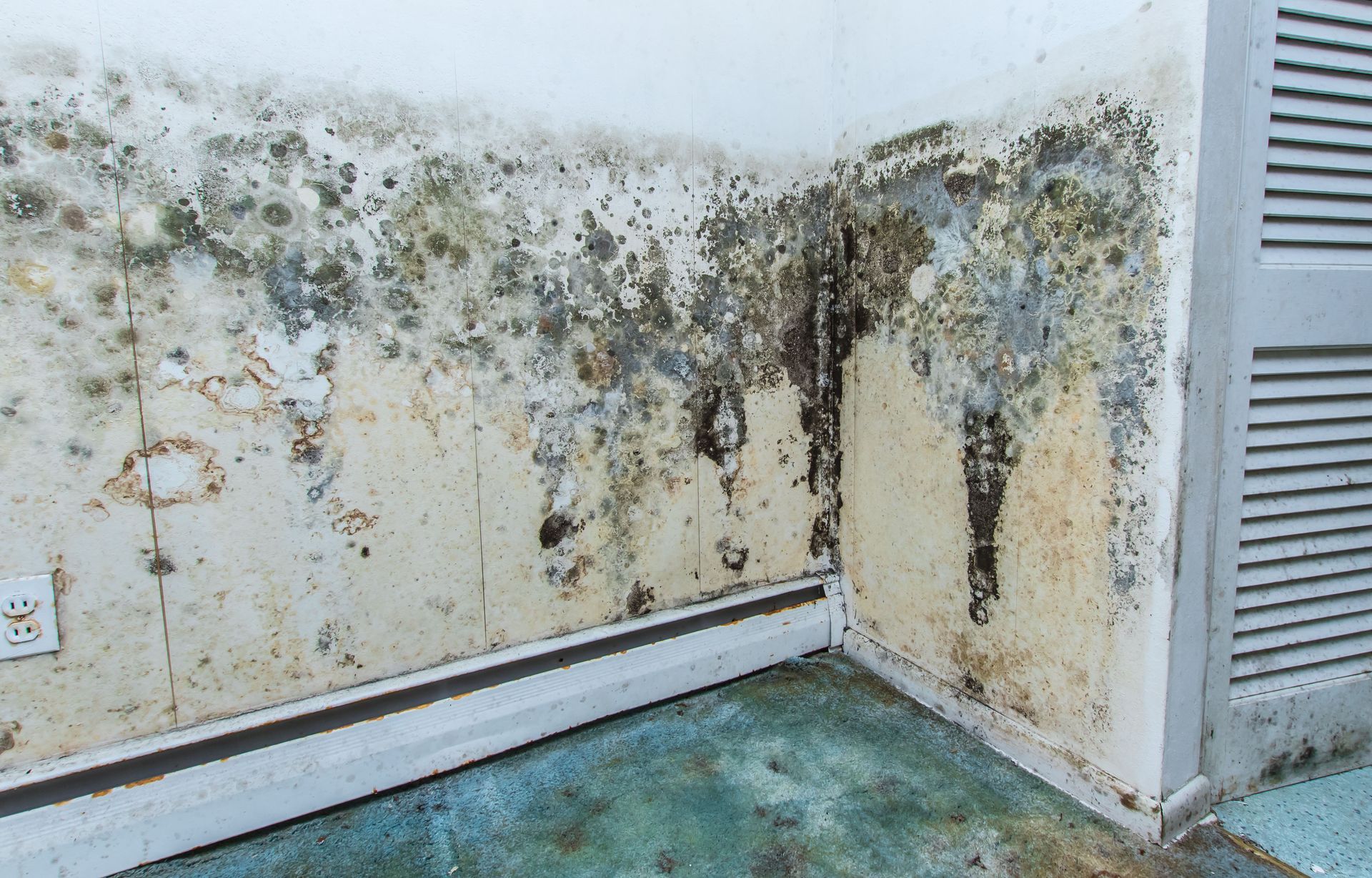
Visible mold is one of the clearest indications that your home has a mold problem. Mold can appear in different colors and textures, including black, green, white, or gray patches. However, its appearance can vary depending on the species and the surface where it is growing, so homeowners should not rely solely on color when determining whether a substance is mold.
A persistent musty or earthy odor is another warning sign. Mold can sometimes grow in areas that are hidden from view, such as behind drywall, underneath flooring, inside cabinets, or around plumbing. If a room consistently smells musty despite regular cleaning and ventilation, there may be moisture or microbial growth that requires further investigation.
Water damage is also an important indicator. Leaks, flooding, condensation, and prolonged humidity can create conditions that support mold growth. According to This Old House, mold can begin growing in a flooded basement within as little as 24 to 48 hours. This makes prompt action particularly important following significant water intrusion.
Other warning signs include recurring condensation, discolored walls or ceilings, peeling paint or wallpaper, warped materials, and areas that remain damp for extended periods. If these conditions are accompanied by visible growth or a persistent odor, contacting a mold removal service can help determine whether the problem extends beyond what is immediately visible.
How Does Mold Impact Your Health and Well-being?
Mold can affect people differently, and exposure does not necessarily produce the same symptoms in everyone. Some individuals may experience irritation of the eyes, nose, throat, or skin. Others may develop respiratory symptoms, particularly when they are sensitive to mold or other airborne particles.
Commonly reported reactions can include coughing, sneezing, congestion, watery eyes, and throat irritation. People with allergies may be particularly sensitive to mold spores. A home with substantial mold growth can also become uncomfortable for occupants who notice persistent odors or air-quality concerns.
Health effects are one reason homeowners should take suspected mold growth seriously rather than allowing it to remain indefinitely. At the same time, not every symptom experienced inside a home is necessarily caused by mold. Persistent or concerning symptoms should be discussed with an appropriate healthcare professional rather than attributed to a household condition without evaluation.
Addressing the environmental source can nevertheless be an important part of maintaining a comfortable living space. A mold removal service can evaluate affected areas and help homeowners determine what materials and locations require attention. Professional remediation may also include recommendations for controlling the moisture conditions that contributed to the growth in the first place.
Why Should You Avoid DIY Mold Removal?
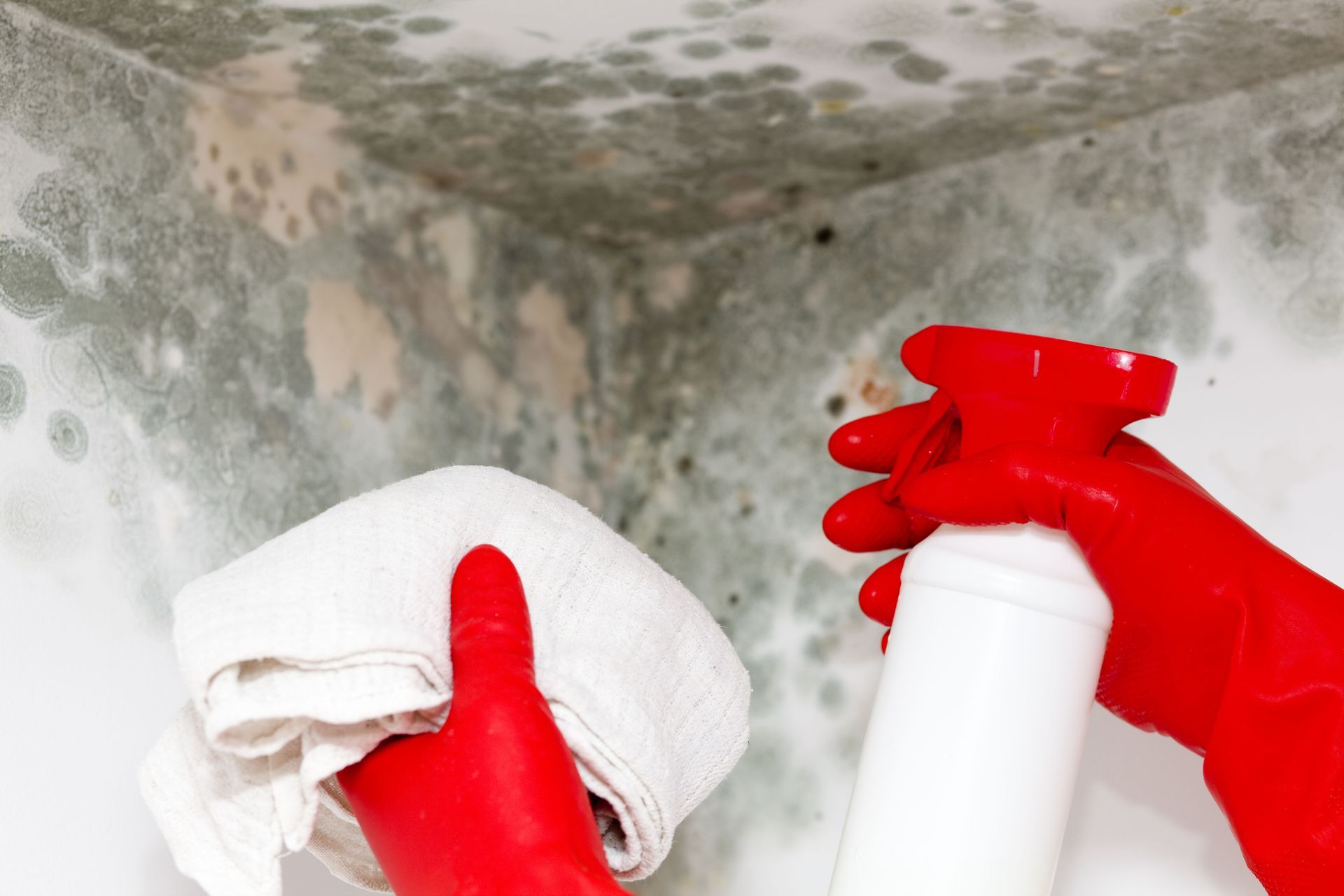
Small amounts of mold on certain hard, nonporous surfaces may sometimes be handled through ordinary household cleaning. However, larger infestations or mold associated with significant water damage can be substantially more complicated. Attempting to remove extensive growth without understanding how mold spreads can disturb contaminated materials and potentially distribute spores to other areas.
Another concern is that visible mold may represent only part of the problem. Growth behind walls, under flooring, inside insulation, or around HVAC components may not be obvious during a visual inspection. Simply cleaning the visible surface without addressing hidden growth or the moisture source can allow the problem to return.
Homeowners may also encounter damaged drywall, insulation, carpeting, or other porous materials that cannot simply be wiped clean. Determining what can be cleaned and what may need to be removed requires careful consideration of the extent and location of the contamination.
Hiring a mold removal service can provide a more systematic approach. Professionals can identify affected areas, establish appropriate containment when necessary, and use methods intended to minimize the spread of contamination during the work. This can be particularly important after flooding or substantial water damage.
How to Choose the Right Mold Removal Service?
Choosing a mold removal service should involve more than selecting the first company that appears in an online search. Homeowners should look for professionals who can clearly explain how they will evaluate the property, identify moisture sources, and address affected materials.
Experience with the type of problem in your home is also important. A company dealing with a small area of surface growth may approach the project differently from one handling extensive water damage or suspected mold inside wall cavities. Ask what areas will be inspected and how the company determines the extent of the work.
Communication should also be a priority. A reputable mold removal service should be willing to explain its recommendations and answer questions about containment, cleaning, removal of damaged materials, and prevention of future growth. Be cautious of anyone who makes sweeping promises without first examining the property.
Homeowners should also ask for a written explanation of the proposed work and associated costs. Understanding what is included can help prevent confusion once the project begins. Depending on the circumstances, additional evaluation or testing may also be appropriate, particularly when the extent of contamination is uncertain.
What Steps Are Involved in Professional Mold Removal?
Professional mold remediation generally begins with an assessment of the affected property. The goal is to identify visible growth, determine where moisture is entering or accumulating, and establish how extensively the problem may have spread. Addressing the moisture source is essential because removing mold without correcting the conditions that allowed it to grow can lead to recurring problems.
Depending on the situation, a
mold removal service may establish containment around affected areas to limit the movement of airborne particles during remediation. Professionals may use specialized equipment and protective measures appropriate to the scope of the project.
The next steps can involve removing contaminated or damaged porous materials, cleaning salvageable surfaces, and treating affected areas using appropriate remediation methods. The exact process depends on the materials involved, the amount of growth, and the location of the contamination.
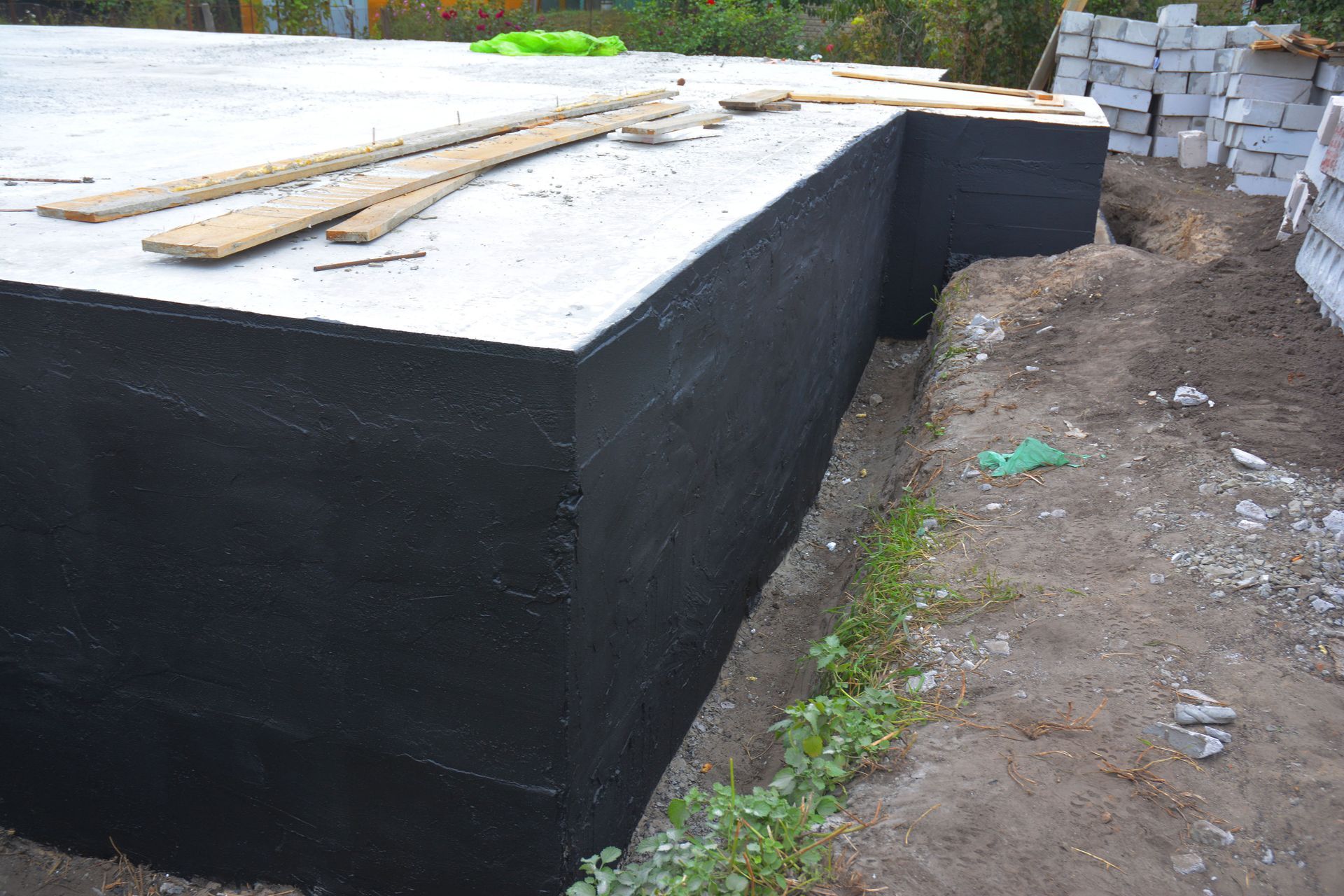
After remediation, the property should remain focused on moisture control. This may mean repairing a plumbing leak, improving ventilation, addressing basement water intrusion, correcting drainage problems, or reducing excessive humidity. Keeping indoor areas dry can help reduce the conditions that support future mold growth.
A qualified mold removal service can also explain what maintenance or moisture-control measures should be taken after the work is complete. These recommendations are an important part of preventing the same conditions from creating another mold problem.
Recognizing the warning signs of mold can help homeowners address a problem before it spreads throughout a property. Musty odors, visible growth, water damage, persistent dampness, condensation, and deteriorating building materials can all justify further investigation.
While minor surface issues may sometimes be manageable with ordinary cleaning, extensive growth, hidden contamination, or significant water damage can require professional attention. A mold removal service can help identify the scope of the problem, address affected areas, and determine what needs to be done to correct the underlying moisture conditions.
Taking action early can reduce the potential for property damage and make remediation more manageable. If you suspect mold is spreading through your home, having the situation professionally evaluated can provide a clearer understanding of what is happening and what steps should come next. If you have mold, don't delay; reach out to the team at Flood Pros Water Damage Restoration today!