November 3, 2026
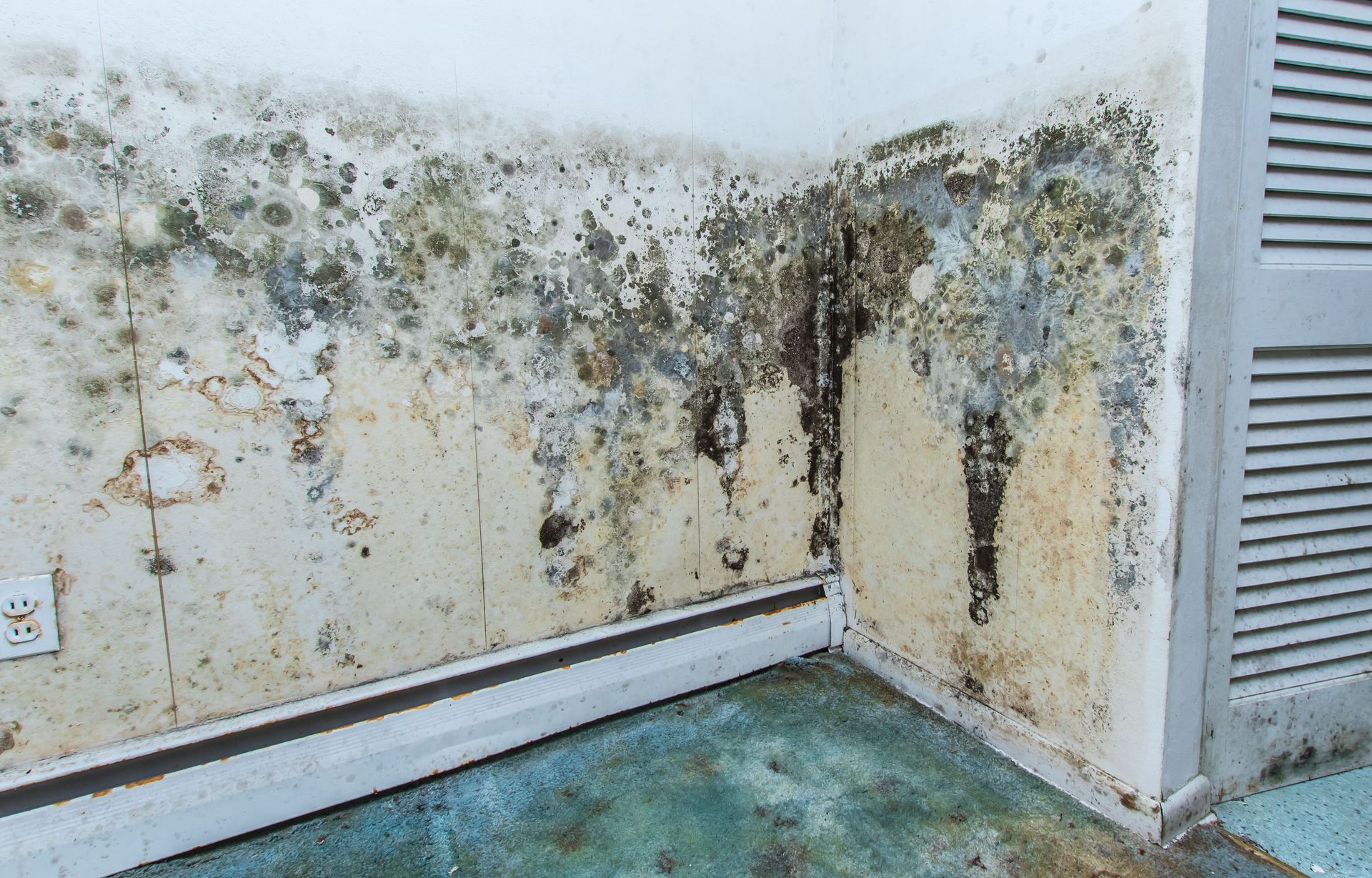
Discovering fungal growth within your living space can cause immense stress and disrupt your daily routine. Moisture intrusion often happens silently behind walls or under flooring before any visible signs appear to homeowners. When organic materials meet damp environments, fungal spores multiply rapidly and threaten structural components. Addressing these concerns promptly prevents extensive deterioration and safeguards your living environment from ongoing damage. Homeowners frequently attempt DIY solutions that only scratch the surface without addressing the root cause. This is where professional mold removal services step in to provide comprehensive solutions. Engaging experts ensures that every affected area receives proper attention and treatment. Understanding what these specialists accomplish helps homeowners make informed decisions about property maintenance and preservation.
Assessing the Initial Damage
When professionals arrive at your property, their initial step involves evaluating the extent of the infestation. Trained technicians conduct thorough inspections using specialized equipment to detect moisture pockets hidden from plain sight. Thermal imaging tools and moisture meters allow them to map out damp zones across various building materials. This careful evaluation ensures that no affected area goes unnoticed during the remediation phase. Proper assessment lays the foundation for a customized action plan tailored to your specific property needs, ensuring no detail is overlooked.
Following the inspection, specialists determine the specific types of fungal growth present. Different strains require distinct handling methods to ensure effective eradication. By understanding the exact nature of the contamination, mold removal services can deploy the most appropriate cleaning agents and containment strategies. This targeted approach minimizes the risk of cross-contamination while maximizing the effectiveness of the entire remediation process.
Identifying the Hidden Dangers
Fungal infestations rarely remain confined to visible surfaces. The most severe colonies often thrive in dark spaces such as crawlspaces, attic cavities, and inside HVAC ductwork. These unlit, damp environments provide the perfect breeding ground for invasive fungi to multiply rapidly and spread unchecked. Professional technicians understand these behavioral patterns and know exactly where to look for concealed growth. They systematically investigate areas with poor ventilation or historical water intrusion to uncover lurking colonies.
Discovering these hidden pockets is crucial for completely eradicating the threat from your living environment.
According to Fixr, mold colonies can start to form when indoor humidity levels go above 45%. Because of this environmental sensitivity, specialists pay close attention to the climate within your residence. They evaluate ventilation patterns and temperature variations that might contribute to lingering condensation. By pinpointing these environmental factors, technicians address the visible growth alongside the underlying atmospheric conditions fueling the problem.
Containing the Harmful Spores
After the evaluation concludes, the next critical phase involves isolating the contaminated zones from the rest of the dwelling. Disturbing fungal colonies releases microscopic spores into the air, which can easily drift into unaffected rooms. To prevent this migration, experts establish physical barriers using heavy plastic sheeting and negative air pressure machines. These containment measures ensure that airborne particulates remain trapped within the designated work zone throughout the remediation process.
Strict containment protocols distinguish professional mold removal services from standard cleaning attempts. Technicians seal off HVAC vents and doorways to maintain a controlled environment while they work. This meticulous isolation protects your family members and pets from inhaling displaced spores during the cleanup phase. Maintaining a secure barrier also accelerates the overall restoration timeline by preventing secondary infestations in previously clean areas of the property.
Removing the Damaged Materials
Some building materials absorb moisture so deeply that surface cleaning becomes entirely ineffective against the fungal root systems. Drywall and carpeting often require complete extraction when heavily compromised. Remediation specialists carefully dismantle these ruined materials while maintaining strict containment protocols. They bag and seal all debris before transporting it out of your residence to prevent accidental spore release during disposal.
This physical removal phase is essential for halting the spread of decay through your structural framework. By eliminating the porous materials that harbor deep-seated growth, professionals stop the infestation at its core source. The spaces left behind are then prepared for extensive cleaning and eventually complete restoration. Relying on professional mold removal services guarantees that this demolition phase occurs safely without jeopardizing the structural integrity of surrounding framing.
Extracting the Lingering Moisture
Fungal growth relies entirely on constant moisture to survive. Therefore, eliminating all residual dampness stands as a critical pillar of the remediation strategy. Technicians deploy commercial-grade dehumidifiers and high-capacity air movers to draw moisture out of structural timbers and subflooring. This intensive drying process runs continuously until the internal moisture content reaches acceptable baseline levels.
Without thorough drying, subsequent repairs would simply cover up an active threat. Specialists monitor the drying progress daily using sensitive measurement tools to verify that the environment is stabilizing. This dedicated extraction effort ensures that the underlying water issue is resolved before new materials are installed. Taking the time to properly dry the structure guarantees a lasting solution rather than a temporary fix that will inevitably fail.
Purifying the Indoor Atmosphere
Beyond treating physical surfaces, experts must address airborne contamination circulating through your living spaces. Microscopic particulates can linger in the atmosphere long after the visible colonies have been scrubbed away. To combat this, technicians utilize advanced air scrubbers equipped with specialized filtration systems. These machines continuously cycle the indoor air, capturing and neutralizing tiny spores before they can settle back onto clean surfaces or enter the respiratory systems of residents.
This atmospheric purification drastically improves the overall indoor climate of your residence. Families often notice a significant reduction in musty odors as the filtration units run their course. Comprehensive mold removal services always prioritize this step because clean air is vital. Ensuring a purified environment provides homeowners with peace of mind knowing they are breathing safe, uncontaminated air.
Sanitizing the Affected Surfaces
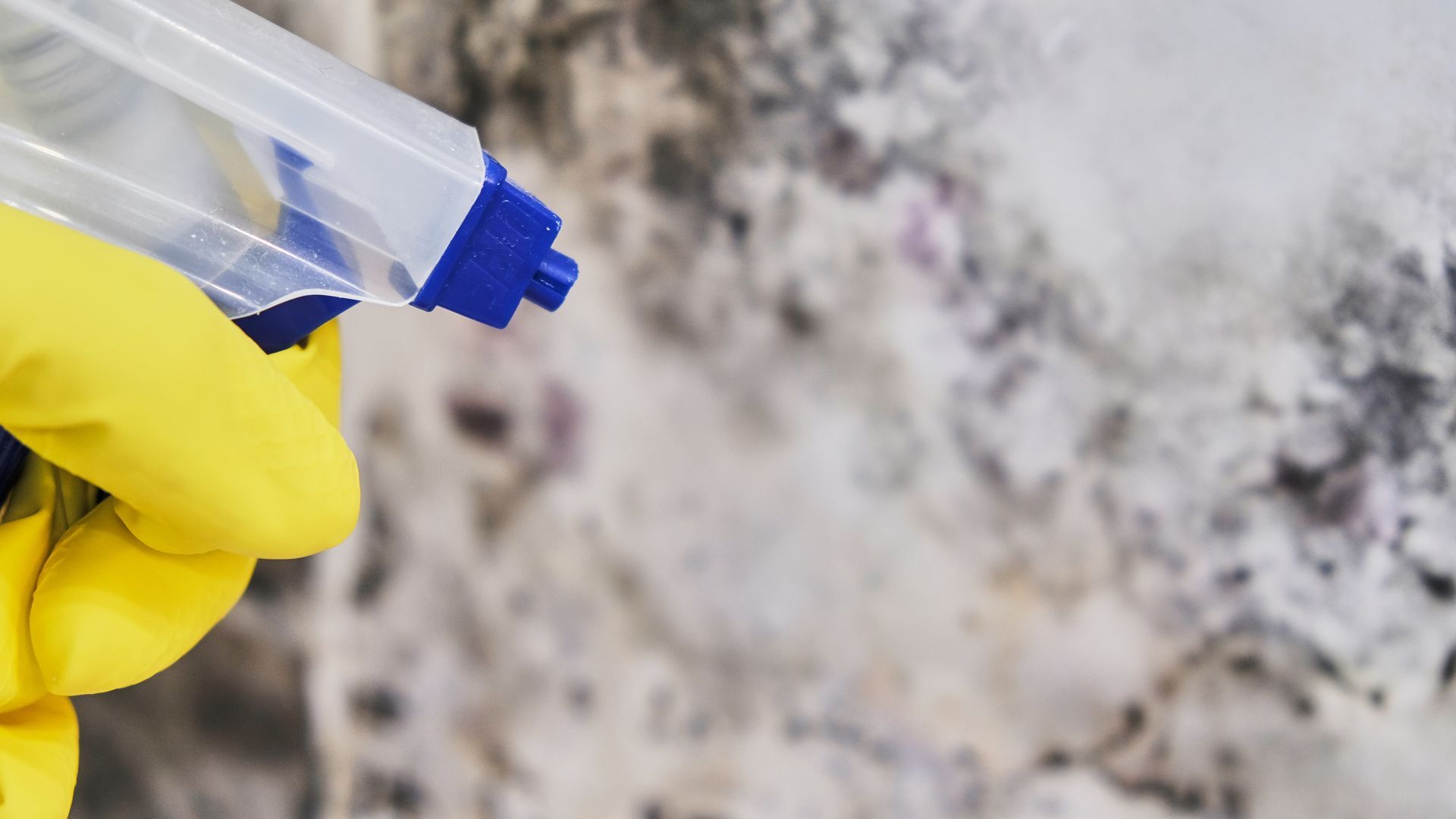
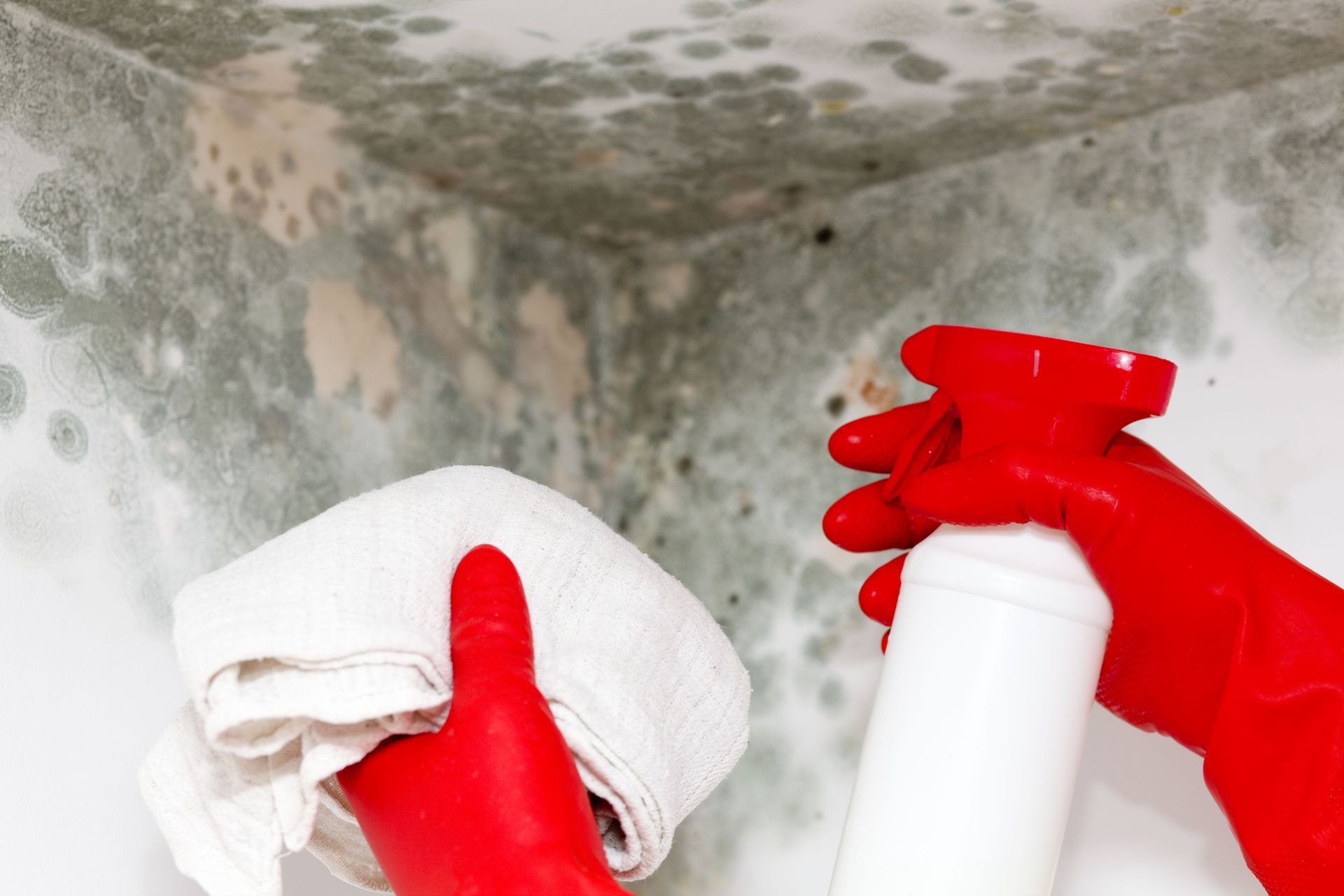
After severely damaged materials are discarded and the area is dried, attention shifts to cleaning the salvageable structures. Exposed wood framing, concrete, and non-porous surfaces undergo rigorous scrubbing using specialized antimicrobial agents. These professional-grade solutions penetrate the materials to eradicate any remaining root systems that might otherwise regenerate. Technicians scrub every inch of the affected zone to ensure complete decontamination.
The application of these potent sanitizers requires technical knowledge and protective gear to execute properly. The solutions not only kill existing growth but also leave behind a protective barrier against future colonization. By thoroughly sanitizing the remaining structural elements, experts create a sterile foundation ready for the rebuilding phase. This meticulous cleaning methodology separates true remediation from superficial cosmetic treatments.
Restoring the Structural Integrity
The final phase of the remediation journey involves returning your living space to its pre-loss condition. This means replacing the drywall, insulation, and flooring that were discarded during the removal stage. Skilled restoration teams meticulously rebuild the affected rooms, ensuring that all new materials integrate seamlessly with the existing architecture. The goal is to make it look as though the fungal incident never even happened.
Proper reconstruction restores the structural soundness of your dwelling. When relying on comprehensive mold removal services, this rebuilding process is coordinated by the restoration team. This continuity ensures that the new materials are installed only when the environment is definitively clean and dry. A seamless transition from remediation to restoration provides homeowners with a completely refreshed and secure living space.
Safeguarding your property against fungal deterioration requires a proactive approach and professional expertise. Attempting to tackle these complex infestations independently often leads to incomplete removal and recurring headaches. By trusting experienced specialists, you ensure that every hidden colony, airborne spore, and moisture pocket is thoroughly addressed. A healthy environment stems from swift action when dampness threatens. We would absolutely love to help you restore your residence to its perfect condition, so if you are interested in expert care, please contact Flood Pros Water Damage Restoration.