October 5, 2026
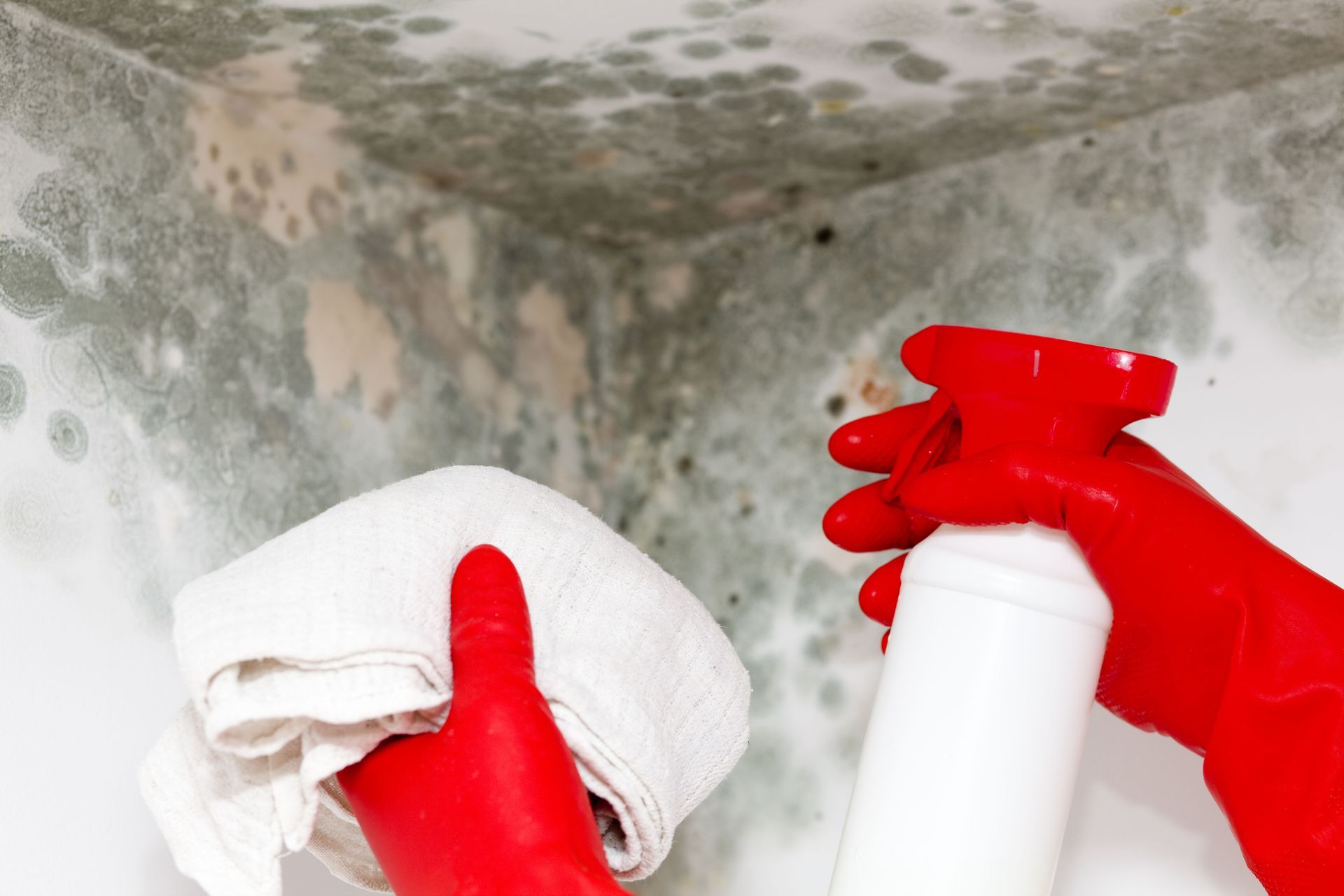
Mold is an insidious issue that affects residential and commercial properties alike, often leading to significant health and structural problems if not tackled promptly. Mold spores are microscopic and can easily become airborne, spreading throughout a dwelling via the HVAC system, effectively contaminating the airflow and worsening indoor air quality. Professional mold removal is critical in mitigating these risks, ensuring that mold is not only removed but its recurrence is also prevented, safeguarding the health and structure of affected properties.
The Hazards of Mold Infestation
Mold exposure can lead to a range of health problems, particularly for individuals with allergies or respiratory conditions such as asthma. Inhalation of mold spores can trigger allergic reactions like sneezing, rashes, and red eyes. For those with weakened immune systems or chronic lung conditions, the effects can be even more severe, potentially leading to debilitating respiratory infections. Continuous exposure to mold has also been linked to more serious health conditions, including hypersensitivity pneumonitis and other chronic pulmonary conditions. It's essential, therefore, that mold is removed promptly to prevent these health hazards.
Mold doesn't just pose a risk to health; it can also cause considerable structural damage to buildings. When mold grows on surfaces like wood, drywall, and insulation, it can lead to rot and degradation, compromising the integrity of a building. This is particularly concerning because structural damage from mold often goes unnoticed until it becomes extensive, potentially leading to costly repairs. In basements, where moisture can accumulate, according to This Old House, a flooded basement can quickly lead to mold, which may start growing within 24 to 48 hours. Addressing mold early is crucial to maintaining the structural soundness of a property.
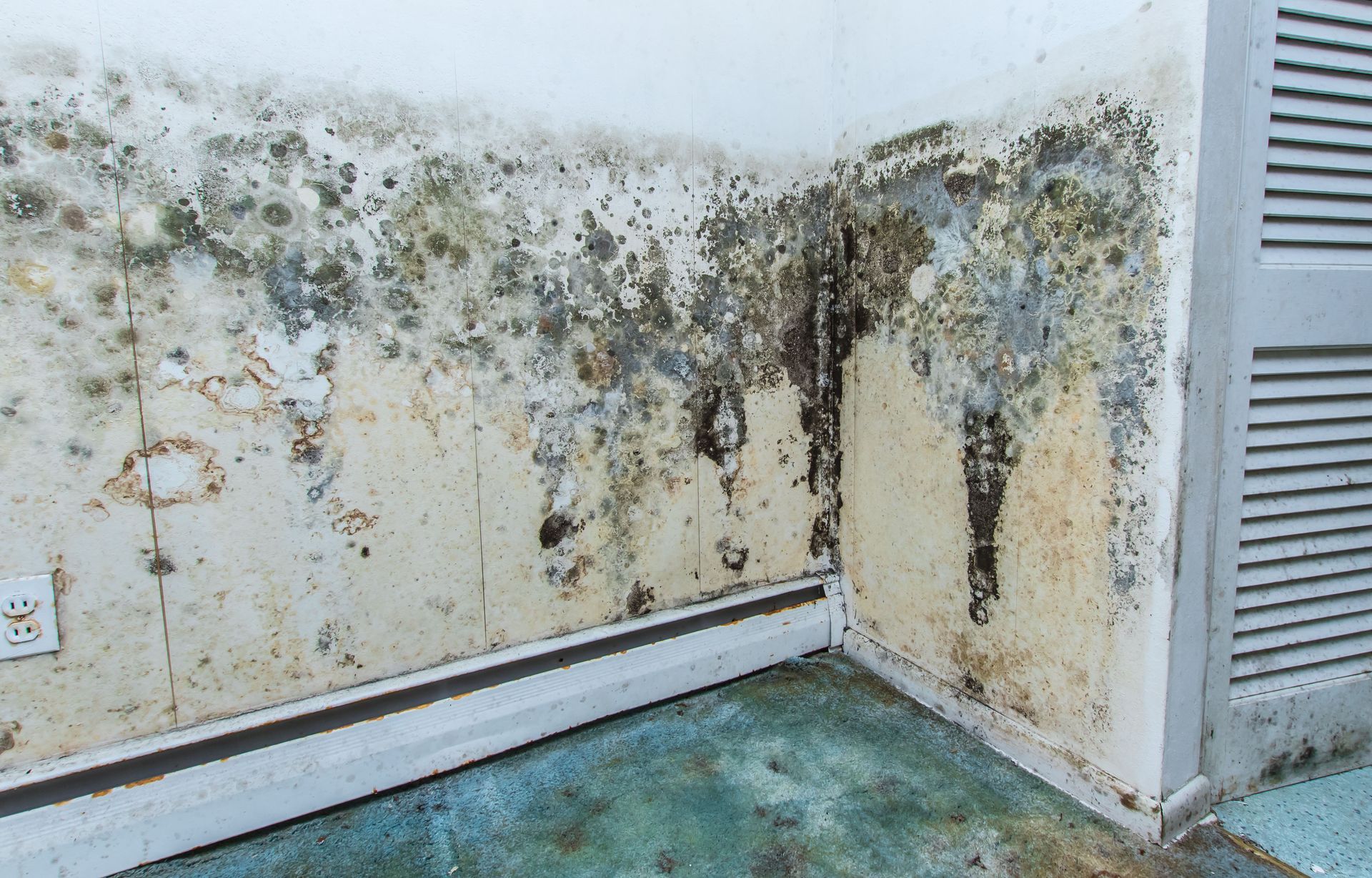
Recognizing the signs of mold growth early is vital for effective mitigation. Visible mold is a clear indicator, often appearing as black or greenish spots on surfaces like walls, ceilings, and under sinks. Another sign can be a musty odor, distinctive of mold's presence even if it's hidden behind walls or under carpets. It's essential to pay attention to any signs of water damage or discoloration, as these can often indicate underlying mold issues. Condensation and high humidity levels are also red flags, as they create perfect conditions for mold to thrive. Being vigilant about these signs can prevent more severe mold problems down the line.
Mold in Your Home
Visual inspections are the first step in identifying potential mold issues. Start by checking areas prone to moisture, such as bathrooms, kitchens, and basements, for visible signs of mold. Look for characteristics like discoloration, staining, or black, white, or green patches on surfaces. It's also vital to inspect less visible areas, including HVAC systems, under carpets, and behind wallpapers, where mold might thrive unseen. Regular, thorough inspections can help catch mold issues early before they become more severe. Engaging professionals can also offer a more comprehensive assessment with advanced tools and techniques.
Various mold types can infest homes, each with specific characteristics and health implications. Black mold, or Stachybotrys, is notorious and commonly found in areas with high moisture levels. Then there's Aspergillus, often found in damp climates and capable of causing allergic reactions and respiratory infections. Other types, like Cladosporium, can be noticed on fabrics and wooden surfaces, usually showing a black or green appearance. Understanding these common types equips homeowners with the knowledge to identify potential threats accurately when they appear. Professional assessments can offer definitive identification and tailored remediation strategies.
Moisture and humidity are pivotal factors in mold proliferation. Mold requires moisture to grow, making damp areas particularly susceptible to infestation. Activities like cooking, showering, and using appliances can all increase indoor humidity levels, creating favorable conditions for mold. Maintaining a humidity level below 60% can help mitigate this risk, but in areas like basements or poorly ventilated rooms, additional measures may be necessary. Using dehumidifiers and ensuring proper ventilation can significantly reduce susceptibility to mold growth. Proactively managing indoor moisture levels is an effective preventive measure.
The Process of Professional Mold Removal
A detailed inspection is a fundamental step in the mold removal process, laying the groundwork for subsequent remediation efforts. Professionals conduct thorough investigations, utilizing tools like moisture meters and infrared cameras to detect hidden mold growth behind walls or ceilings. This step ensures that all mold-affected areas are identified, including less obvious spots that may not be visible during a casual inspection. By pinpointing all the areas of concern, professionals can tailor the remediation strategy to effectively eliminate the mold problem. Proper inspection also creates a baseline for evaluating the success of remediation efforts post-treatment
Professional mold remediation employs advanced technologies to effectively address mold infestations. High-efficiency particulate air (HEPA) vacuums are used to capture airborne spores and prevent their spread during the cleaning process, ensuring containment of contaminants. Other tools, such as air scrubbers, help filter and purify the indoor air, improving its quality and reducing health risks. These technologies, coupled with effective chemical treatments, target mold at its source, killing active spores and inhibiting future growth. Advanced technology is a cornerstone of professional remediation, significantly increasing effectiveness compared to DIY methods.
The mold remediation process is systematic, ensuring thorough removal and reduced chances of recurrence. Initially, professionals focus on containing the mold to prevent spores from spreading during removal; this might involve sealing off affected areas and using negative air pressure environments. The next step involves removing contaminated materials and employing specialized cleaning agents to eliminate mold from surfaces. Detailed cleaning and sanitizing of affected areas, including the HVAC system, are critical to ensure no residual spores remain that could spark future growth. The process concludes with repair and restoration of any damaged structures, returning the area to its pre-mold condition.
Preventative Measures to Curb Mold Growth
Managing humidity levels is a preventative measure critical to preventing mold growth. Mold thrives in damp environments, and high indoor humidity provides the perfect conditions for mold development. Use dehumidifiers in areas prone to excess moisture, such as basements, bathrooms, and kitchens, to maintain humidity levels below 60%. Regularly checking and maintaining HVAC systems can also help regulate humidity efficiently. Additionally, using air conditioners and ensuring proper ventilation in high-moisture areas can mitigate mold risks significantly.
Addressing leaks and water issues promptly is another effective way to curb mold growth. Whether it's a dripping roof, leaky pipes, or malfunctioning appliances, moisture intrusion can quickly turn into a breeding ground for mold. A proactive approach involves regular checks of plumbing and roof conditions, especially post-heavy rainfall or severe weather events. Timely maintenance not only prevents mold but also reduces the risk of water damage to the property's structure. Rapid response to leaks ensures that moisture levels remain manageable and that conditions stay inhospitable to mold.
Mold-resistant products can provide an additional layer of protection, especially in mold-prone areas of a home. These products, such as mold-resistant drywall, paints, and sealants, are designed to reduce the possibility of mold growth on treated or built surfaces. Particularly in new construction or during renovations, choosing mold-resistant materials in high-moisture areas can be an effective preventative measure. While they do not make a home entirely mold-proof, when utilized correctly, they significantly decrease mold risks. Educated choices in building and renovation materials can deter mold and prolong the lifespan of the installations.
Professional
mold removal is an important step in protecting both indoor air quality and the structural condition of a property. By identifying the source of moisture, containing affected areas, and thoroughly removing mold and spores, professional remediation can help prevent the problem from spreading or returning. Maintaining proper humidity levels, addressing leaks promptly, and monitoring moisture-prone areas can further reduce the risk of future mold growth and help maintain a healthier, safer indoor environment. For more information about mold removal, contact Flood Pros Water Damage Restoration today.